Source Customizable Stress Relief Plush Toy for Gifts, Decor, and Promotions
Explore 30 listings for customizable stress relief plush toy options featuring soft comfort, custom designs, and various certifications. Buyers can compare specifications, pricing, and customization capabilities to find suitable suppliers for gifts, decor, and promotional events.
Key considerations
Products List






Comprehensive Sourcing Guide
Customizable Stress Relief Plush Toy Sourcing Guide
Sourcing customizable stress relief plush toys requires a strategic balance between aesthetic appeal, tactile functionality, and rigorous safety compliance. These products serve a dual purpose as both promotional gifts and therapeutic tools, making them highly versatile for corporate gifting, retail distribution, and personal wellness markets. Buyers must navigate a landscape where customization is not merely an option but a core expectation, with suppliers offering extensive options for design, branding, and material selection. The market is characterized by a high degree of flexibility, allowing purchasers to tailor every aspect of the product from the initial concept to the final packaging, ensuring the item aligns perfectly with brand identity or specific therapeutic needs.
The procurement process for these items involves understanding the interplay between manufacturing techniques and commercial terms. Since many of these toys are hand-made or utilize custom modeling sources, the production timeline and quality consistency can vary significantly based on order volume and design complexity. Buyers need to establish clear communication channels with suppliers to manage expectations regarding sample times, production lead times, and minimum order quantities. Furthermore, the global nature of this supply chain, often originating from manufacturing hubs in China, necessitates a thorough understanding of international shipping, packaging standards, and regulatory requirements to ensure smooth delivery and market entry.
Product Scope and Observed Listing Signals
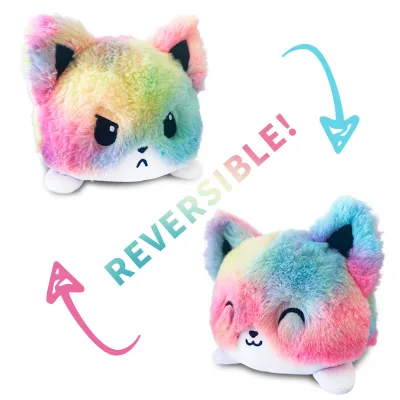
The current market for customizable stress relief plush toys exhibits a wide range of product attributes, reflecting the diverse needs of B2B buyers. Listings frequently highlight features such as softness, comfort, and specific filling materials like cotton, which are critical for the stress-relief function. The product scope extends beyond simple dolls to include various forms, such as animal types, tea cup shapes, and generic plush toys, all of which can be customized in size, color, and design. Buyers should observe that while some products are standardized in size, such as 15cm or 24cm, others offer fully custom dimensions, allowing for unique product differentiation. The availability of numerous color options, including specific shades like pink and numbered variants, provides ample opportunity for brand alignment.
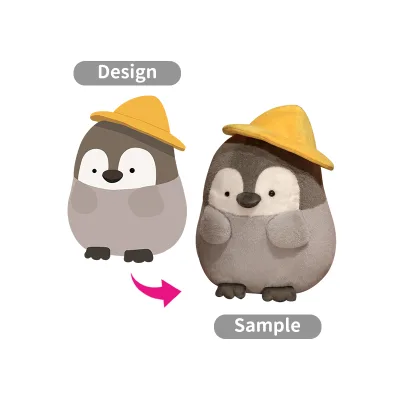
Commercial signals from suppliers indicate a high level of adaptability, with many offering OEM and ODM services. This means buyers can either provide their own designs or leverage the supplier’s expertise to create new products. The presence of customization options for logos, labels, and hang tags further enhances the product’s value as a branded item. However, buyers must be cautious of varying specifications across different listings, such as differences in packing methods (boxed, carton, or OPP bag) and production standards. It is essential to verify these details for each specific supplier, as the observed data suggests a fragmented market where not all listed attributes apply to every product. Understanding these nuances is crucial for selecting the right partner for your specific procurement needs.
Technical Specifications to Verify
When evaluating technical specifications, buyers must prioritize the material composition and construction quality of the plush toys. The primary material is often polyester, with cotton filling providing the desired softness and resilience. It is critical to verify the exact type of polyester and cotton used, as these impact the toy’s durability, washability, and overall feel. Additionally, the manufacturing technique, whether hand-made or machine-assisted, should be confirmed, as this affects the consistency and finish of the product. Buyers should also pay close attention to the size specifications, as products may range from short plush toys to larger items, with some listings specifying heights between 11-30cm. Ensuring that the size matches the intended use and packaging requirements is vital for logistical planning.
Another key technical aspect is the washing instructions and care requirements, which are often listed as hand wash only. This limitation can impact the product’s longevity and customer satisfaction, so buyers should assess whether this aligns with their target market’s expectations. Furthermore, the packaging specifications, such as the number of pieces per carton and the type of packaging material, are essential for calculating shipping costs and storage efficiency. Buyers should also verify the product models and standards, as these can vary significantly between suppliers. For instance, some products may have specific model numbers like HW000000 or HWY000000, while others may be defined by their shape, such as animal or tea cup designs. Clear documentation of these technical details is necessary to avoid discrepancies between the ordered and delivered goods.
Compliance and Safety Documentation
Safety and compliance are paramount when sourcing plush toys, especially those marketed for children or therapeutic use. Buyers must ensure that suppliers provide valid certifications such as CE, En71, ASTM, CPSIA, and REACH. These certifications indicate that the products meet specific safety standards for mechanical and physical properties, flammability, and chemical composition. It is crucial to verify the authenticity of these certificates and ensure they are up-to-date, as regulatory requirements can change. Additionally, some suppliers may hold BSCI and ISO9001 certifications, which speak to their social responsibility and quality management systems, respectively. These credentials can provide buyers with confidence in the supplier’s operational integrity and commitment to ethical manufacturing practices.
Beyond certifications, buyers should request detailed test reports from accredited laboratories to verify compliance with relevant standards. These reports should cover aspects such as heavy metal content, phthalates, and other hazardous substances, ensuring that the products are safe for contact. The test standards, such as ASTM or En71, should be clearly stated in the documentation, and buyers should confirm that the tests were conducted on the actual products being supplied. It is also important to inquire about the supplier’s quality control processes, including how they handle non-conforming products and whether they conduct regular internal audits. By prioritizing compliance and safety, buyers can mitigate risks associated with product recalls, legal liabilities, and reputational damage.
Cost Drivers and Commercial Terms
The cost of customizable stress relief plush toys is influenced by several factors, including material costs, labor, customization complexity, and order volume. Buyers should expect a wide range of prices, as observed in the market, with some items starting at very low prices and others commanding higher premiums due to their unique features or higher quality materials. The minimum order quantity (MOQ) is another significant cost driver, with some suppliers offering low MOQs of just one piece, while others may require orders of up to 1000 pieces. Understanding the MOQ requirements is essential for budgeting and inventory planning, as it can impact the overall cost per unit.
Commercial terms such as sample times, production lead times, and payment terms also play a crucial role in the total cost of ownership. Sample times can vary from 3-7 working days to 10-20 working days, depending on the complexity of the design and the supplier’s workload. Production lead times are typically around 20 days, but this can be extended based on the order quantity and customization requirements. Buyers should negotiate clear payment terms and delivery schedules to avoid unexpected costs or delays. Additionally, the cost of packaging, labeling, and shipping should be factored into the overall budget, as these can add significant expenses to the final price. Transparent communication with suppliers regarding these commercial terms is key to ensuring a smooth procurement process.
Supplier Qualification and Quality Control
Selecting the right supplier is critical to the success of any procurement project involving customizable plush toys. Buyers should conduct thorough due diligence on potential suppliers, verifying their business licenses, production capabilities, and past performance. Suppliers with OEM and ODM experience are often better equipped to handle complex customization requests, but buyers should also assess their communication skills and responsiveness. It is advisable to request references or case studies from previous clients to gain insights into the supplier’s reliability and quality standards. Additionally, buyers should consider the supplier’s location and logistics capabilities, as these can impact shipping costs and delivery times.
Quality control measures should be established early in the procurement process to ensure that the final products meet the agreed-upon specifications. Buyers should define clear quality criteria, including material standards, stitching quality, and color accuracy, and communicate these to the supplier. It is recommended to conduct pre-production samples and in-line inspections to identify and address any issues before mass production begins. Final random inspections should also be performed before shipment to ensure that the products meet all quality requirements. By implementing robust quality control processes, buyers can minimize the risk of receiving defective or non-conforming goods and maintain high customer satisfaction.
Long-Term Procurement Checks
Sourcing customizable stress relief plush toys is not a one-time transaction but an ongoing relationship that requires continuous monitoring and evaluation. Buyers should regularly review supplier performance metrics, such as on-time delivery rates, product quality, and responsiveness to issues. Establishing a feedback loop with the supplier can help identify areas for improvement and foster a collaborative partnership. Additionally, buyers should stay informed about changes in regulatory requirements and market trends, as these can impact the product’s compliance and demand. Regular audits of the supplier’s facilities and processes can also help ensure that they continue to meet the buyer’s standards and expectations.
Long-term procurement strategies should also include diversification of suppliers to mitigate risks associated with single-source dependencies. By working with multiple suppliers, buyers can ensure continuity of supply and negotiate better terms based on competitive pricing. It is also important to periodically reassess the product design and specifications to ensure they remain relevant and appealing to the target market. This may involve incorporating new materials, features, or customization options based on customer feedback and market analysis. By adopting a proactive and strategic approach to procurement, buyers can build a resilient supply chain that supports their business goals and drives long-term success.
FAQs
Can I customize the logo and design of the plush toy?
Yes, you can customize the logo and design. The product supports customer logos and custom designs, allowing for unique branding options tailored to your specific needs and preferences.
What certifications does the customizable plush toy have?
The toy holds multiple safety certifications including CE, En71, ASTM, Cpsia, and Reach. These standards ensure the product meets international safety requirements for children's toys and gift items.
How long does it take to produce a custom order?
Production time is about 20 days or according to order quantity. Sample time ranges from 3 to 7 working days, while larger orders may require additional time based on the specific volume requested.
What is the minimum order quantity for this plush toy?
The minimum order quantity is 1 piece. This low MOQ allows buyers to test the market with small batches before committing to larger production runs for wholesale distribution.
What materials are used to make the soft plush toy?
The toy is made from polyester material with cotton filling. This combination ensures the product remains soft and comfortable while maintaining durability for use as a gift or stress relief item.
Can I request a specific size for the custom doll?
Yes, the size can be customized as the modeling source is custom. Available heights range from 11 to 30 cm, allowing you to select dimensions that fit your specific product requirements.
How is the product packaged for shipping?
Packaging options include boxed, carton, or OPP bag configurations. Standard packing is 30 to 40 pieces per carton, ensuring safe transport while offering flexibility for different shipping needs.